BACKGROUND AND APPROACH
How I think about funnel systems, why real estate, and what informs the work I do with agents and brokers
This isn't a resume or a sales pitch. It's context. If you're considering working together or wondering how I approach conversion problems, this explains where my thinking comes from and why I work the way I do.
Where My Approach Started
I started as a copywriter in January 2025.
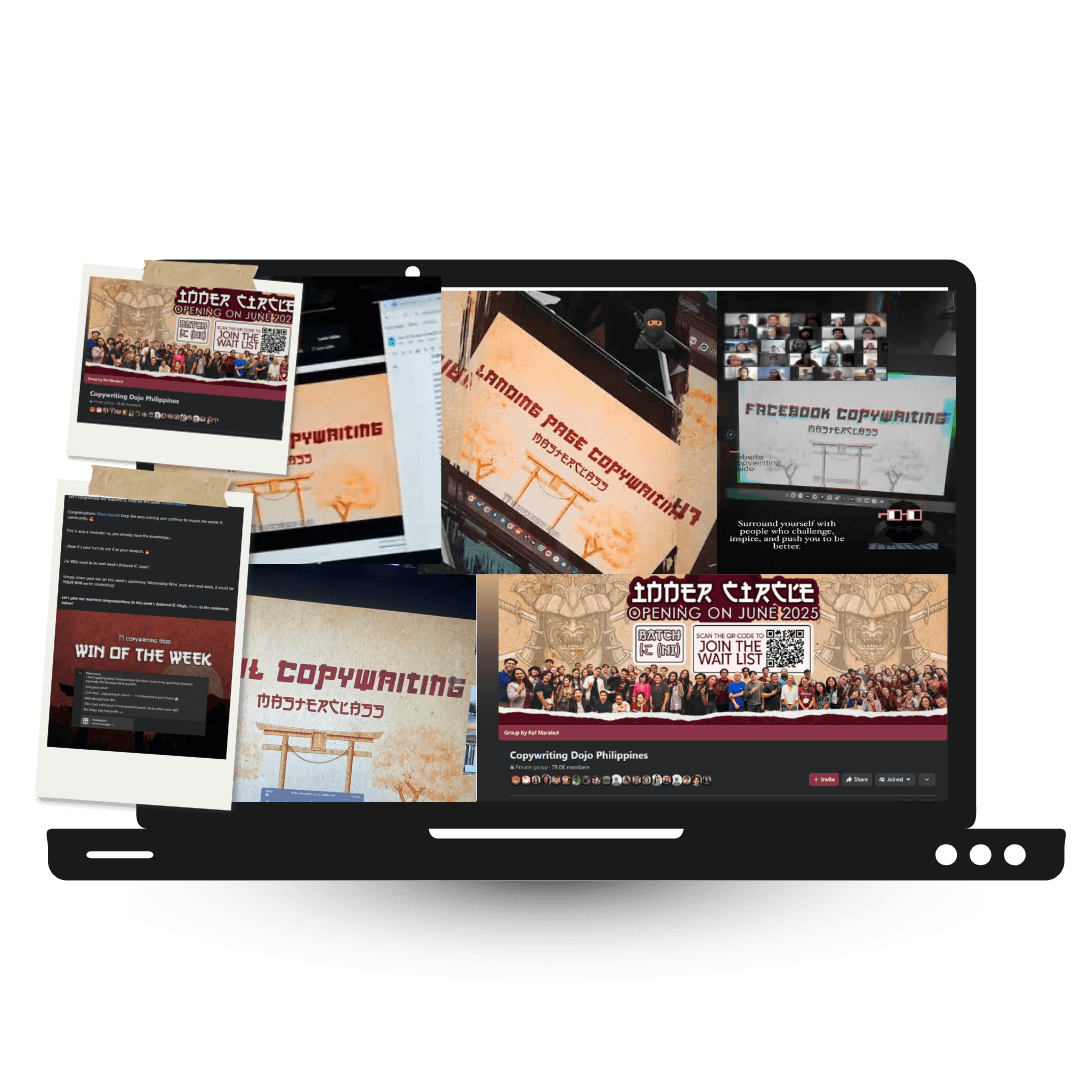
I enrolled in a 6-month intensive program under Copywriting Dojo Philippines. A structured, weekly training that focused on direct-response principles, customer awareness levels, message hierarchy, and persuasive frameworks.
The curriculum wasn't about writing clever headlines. It was about understanding how decisions are made, how objections form, and how structure moves people from attention to action.
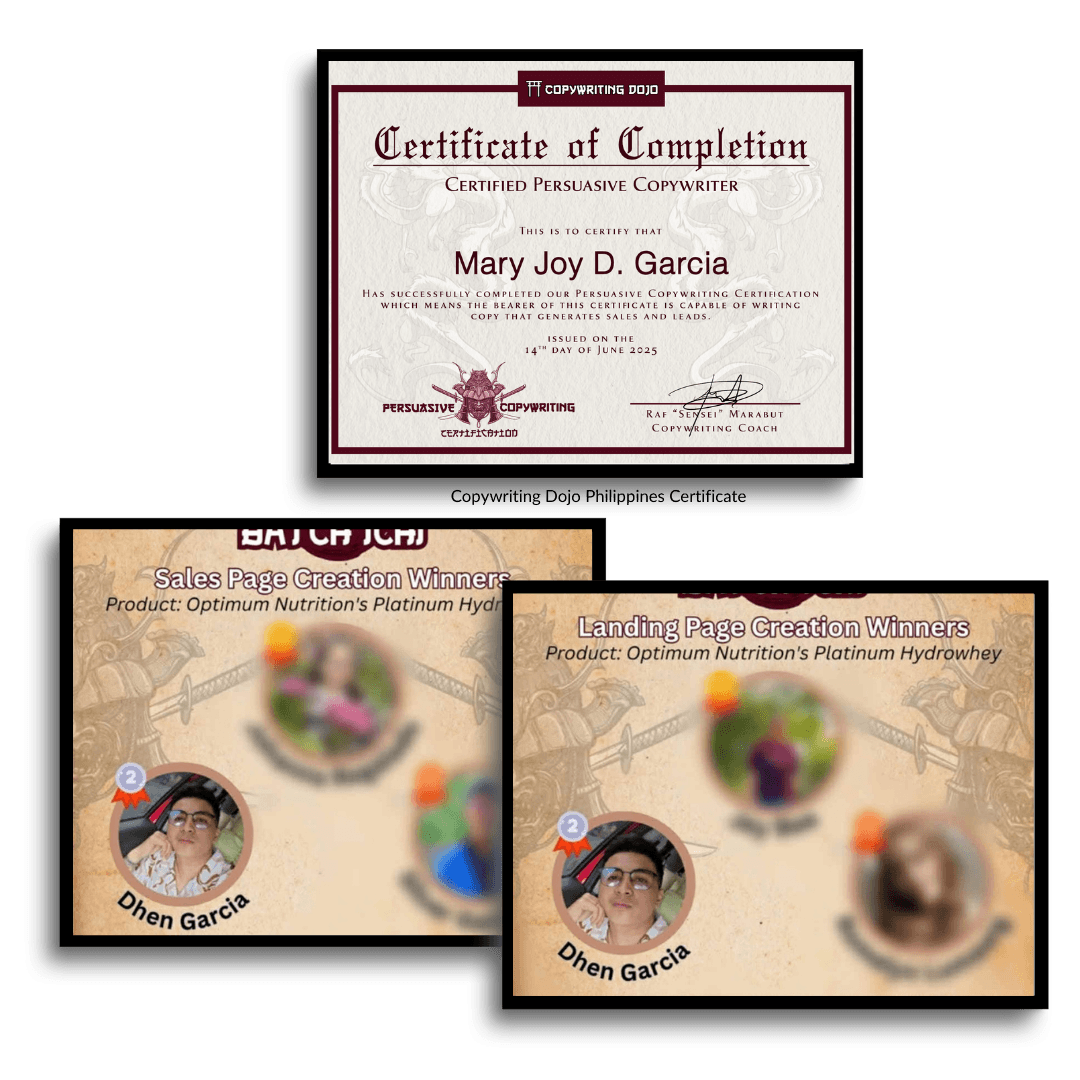
I ranked Top 2 in my batch for sales pitch copy and opt-in page performance, specifically on the Optimal Nutrition project. A high-converting lead magnet page built under real critique and iteration.
But what became clear during the training was this: good copy doesn't fix a broken path.
You can write the sharpest message in the world, but if the system between inquiry and booking is unclear, scattered, or manual, prospects still disappear.
That's when I shifted focus.
"Let me guess how your week usually goes."
More inquiries!
I replied fast.
They said they're interested.
Where did they go?
No bookings.
Training & Foundations
The Copywriting Dojo program covered:
Persuasive copywriting principles - Understanding what drives action, not just attention
Customer awareness levels – Knowing where prospects are in their decision journey and matching the message to that stage
Message structure – How to organize information so it guides, not overwhelms
Direct-response frameworks – Building systems that ask for a clear next step, not passive content consumption
These aren't theoretical skills. They directly inform how I structure landing pages, qualify leads, and map conversion pathways today.
The certificates show what I studied, not what I promise.
Here's the truth most people won't tell you
You're not lacking effort.
You reply fast. You send follow-ups. You're doing the work, the system just isn't built to convert.

And the deals last week, last month...
They're gone. Not because they weren't serious, but because the follow-through broke down somewhere you can't see.

You're not out of ideas.
You've tried scripts, new platforms, better targeting. But if the path between inquiry and booking is unclear, none of it sticks.
Why I Moved Beyond Copywriting
After working on several copy projects, a pattern became obvious:
Copy doesn't fix ghosting.
You can have a great landing page. Strong messaging. Clear offer.
But if the follow-up is manual, if there's no structured sequence between "interested" and "booked," if the prospect doesn't know what happens next, they go quiet.
That gap, the space between initial inquiry and scheduled call—is where most real estate deals die.
Not because the lead wasn't qualified.
Not because the copy wasn't good.
But because the system broke down.
So I shifted focus to:
Funnel structure – Mapping the actual path from interest to booking, not just the landing page
Conversion flow – Identifying where prospects drop off and why
System design – Building pathways that guide decisions without requiring manual intervention
This isn't about tools or platforms. It's about diagnosing where the breakdown happens and fixing the structure so conversion becomes predictable.

WHY REAL ESTATE
I manage apartment rental units. It's hands-on exposure to real estate operations,
dealing with inquiries, screening tenants, managing follow-up, and closing deals.
I've seen firsthand what commission-based income feels like:
• Inconsistent cash flow
• The pressure to convert every serious inquiry
• The frustration of leads that "seemed interested" but never booked
Real estate professionals don't have the luxury of passive income. Every missed booking is lost revenue.
That's why funnels matter more in real estate than in most other industries.
You can't afford to lose deals in the follow-up phase. You can't afford unclear next steps.
You can't afford manual systems that depend on perfect timing and perfect memory.
I chose real estate as a focus because I understand the stakes.
Not theoretically. Practically.
Early Feedback & Observations
I'm early in documenting case results, but here's what clients and collaborators have said about the diagnostic and structural work:
"The audit showed me exactly where my leads were dropping off. I knew something was wrong, but I couldn't see it until it was mapped out clearly. The follow-up structure we built after made bookings way more predictable."
— Real estate agent, Metro Manila
"I thought I needed better ads. Turns out, my follow-up system was the problem. The breakdown between inquiry and booking was costing me deals every week—and I didn't even realize it."
— Broker, Cebu
These aren't revenue claims. They're clarity observations.
The work I do is about identifying structural problems and mapping better pathways—not promising overnight results.
Stop Carrying All the Pressure Yourself and Get the clarity you’ve been missing
Where to Start
Where to Start
If this approach makes sense and you're ready for clarity on what's breaking in your funnel, here's where to go next:
Start with the audit.
If this approach makes sense and you're ready for clarity on what's breaking in your funnel, here's where to go next:
Then book a call.
If you want a personalized assessment of your specific funnel and whether systematic fixes make sense for you, schedule a strategy call.
No pressure. No pitch.
Just diagnostic clarity.